
A Biological Approach to Bed Bug Control
Bed bugs are stressful enough. Treating them does not have to mean repeatedly spraying your home with traditional pesticides. All Green Pest Control offers professional bed bug treatment using Aprehend®, an innovative biological treatment designed specifically for bed bug control.
Instead of relying on a conventional chemical treatment, Aprehend uses naturally occurring fungal spores that bed bugs pick up as they cross treated areas. The treatment continues working after application and can spread through the bed bug population as exposed bugs return to their hiding areas.
Why All Green Uses Aprehend® for Bed Bugs
Aprehend takes a different approach to bed bug control. Rather than repeatedly treating a room with conventional insecticides, this professional biological treatment uses the bed bugs’ own movement and behavior against them.
Biological Treatment
Aprehend contains spores of Beauveria bassiana, a naturally occurring fungus. It provides a biological alternative to relying solely on conventional chemical insecticide treatments.
Very Limited Prep Work
Many bed bug treatment programs can require extensive preparation. Aprehend generally requires much less prep, helping make the treatment process easier and less disruptive for homeowners.
Typically One Application
Instead of automatically scheduling several conventional pesticide treatments, Aprehend can typically control an existing infestation with one professional application.
Long-Lasting Protection
Once professionally applied, Aprehend can remain effective on treated surfaces for up to three months, allowing bed bugs to encounter the treatment as they move through the room.
Bed Bugs Help Spread It
When bed bugs cross treated areas, microscopic fungal spores attach to their bodies. They can then return to hiding areas and transfer those spores through direct contact with other bed bugs.
A Different Mode of Action
Aprehend works biologically rather than using the same mode of action as many conventional insecticides, making it a very different approach to difficult bed bug infestations.
How Aprehend Bed Bug Treatment Works
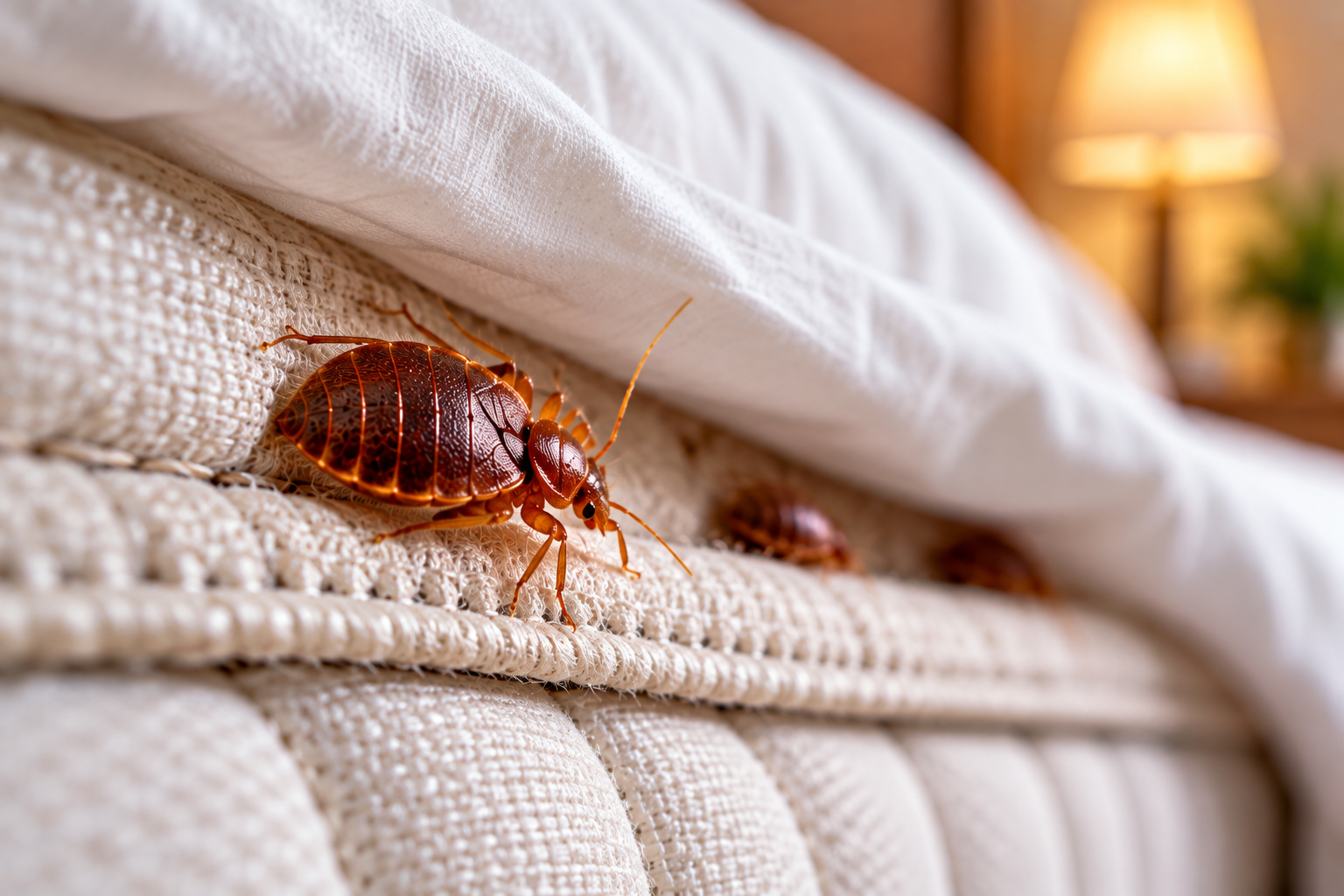
Aprehend is professionally applied in narrow treatment barriers along areas where bed bugs are likely to travel. It does not depend on locating and directly spraying every individual bed bug.
- Bed bugs walk across professionally treated surfaces.
- Microscopic fungal spores attach to their bodies.
- Exposed bed bugs return to cracks, crevices and hiding areas.
- The spores can transfer to other bed bugs through direct contact.
- Exposed bed bugs typically die within approximately 4 to 10 days.
- Treated surfaces can remain effective for up to three months.
This biological process allows exposed bed bugs to return to hiding areas and potentially carry the treatment to other bugs that never directly crossed the original treatment barrier.
Biological Bed Bug Treatment vs. Conventional Treatments
One of the biggest differences with All Green’s approach is that bed bug control does not have to begin with repeated conventional pesticide applications.
Aprehend Biological Treatment
- Biological mode of action
- Naturally occurring fungal spores
- Very limited preparation
- Typically one professional application
- Up to three months of residual activity
- Bed bugs can transfer spores to other bed bugs
- Designed specifically for bed bug control
Conventional Treatment Programs
- May rely on conventional chemical insecticides
- Can require more extensive preparation
- May require multiple treatment visits
- Some bed bug populations may be resistant to certain insecticides
- Treatment methods vary depending on the infestation
Think You May Have Bed Bugs?
Don’t wait for a small bed bug problem to become a larger infestation. Contact All Green Pest Control to discuss what you’re seeing and whether Aprehend biological bed bug treatment is appropriate for your home.
Bed Bug Treatment Throughout Western Massachusetts
All Green Pest Control provides residential bed bug treatment throughout Western Massachusetts, including communities across Hampden County, Hampshire County, Franklin County and Berkshire County.
Our approach focuses on effective pest management while reducing unnecessary reliance on conventional chemical treatments whenever an appropriate alternative is available. If you’ve discovered a bed bug, noticed possible signs of an infestation or are concerned after traveling, contact All Green Pest Control to discuss your situation.
Frequently Asked Questions About Bed Bug Treatment
What is Aprehend bed bug treatment?
Aprehend is a professional biological bed bug treatment containing spores of the naturally occurring fungus Beauveria bassiana. Bed bugs pick up the spores when they cross treated surfaces, and those spores can then transfer to other bed bugs through direct contact.
Is Aprehend a traditional chemical pesticide treatment?
Aprehend uses a biological mode of action rather than the same approach used by many conventional chemical insecticides. Its active ingredient consists of fungal spores that infect susceptible insects such as bed bugs.
How much preparation is required before treatment?
One of the advantages of Aprehend is the limited preparation required compared with many traditional bed bug treatment programs. All Green Pest Control will provide specific instructions before your appointment based on your home and infestation.
Will I need multiple bed bug treatments?
Aprehend can typically control an existing bed bug infestation with one professional application rather than automatically requiring several conventional pesticide treatments. Every infestation is different, so the technician will determine the appropriate treatment plan.
How long does Aprehend take to kill bed bugs?
Bed bugs that contact an Aprehend-treated surface typically die within approximately 4 to 10 days after exposure. Properly treated surfaces can remain effective for up to three months.
A Greener Approach to Bed Bug Control
Contact All Green Pest Control to learn more about Aprehend biological bed bug treatment and schedule service in Western Massachusetts.